
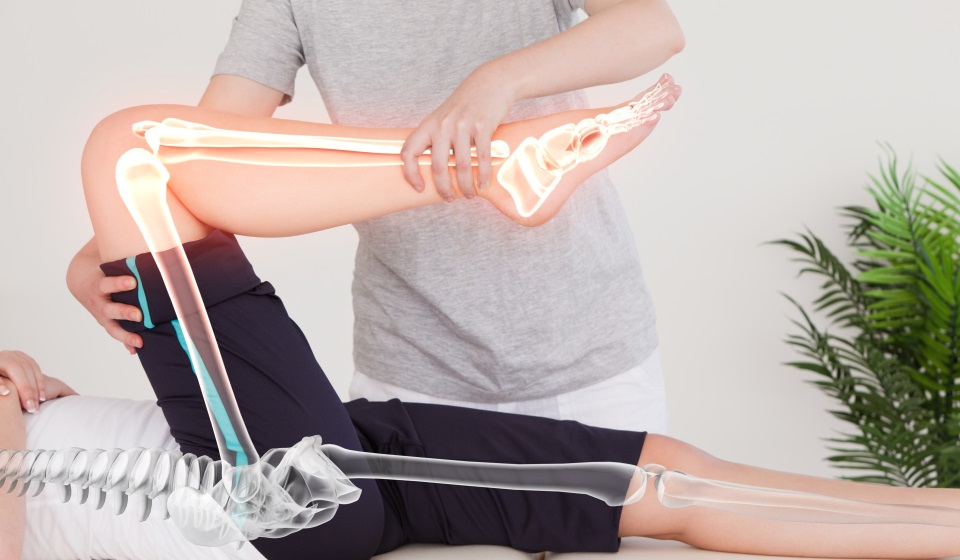
The Top 5 Lower Extremity Injuries in Sports and How to Recover. In the world of sports, the thrill of competition often comes with a significant risk of injury. Among the most common injuries that athletes face are those affecting the lower extremities.
These injuries can be both painful and limiting, often sidelining athletes for extended periods. However, with the right knowledge and strategies, recovery can be quicker and more effective. Understanding these injuries, their causes, and how to properly recover is essential for anyone who participates in sports.
In this article, we will explore The Top 5 Lower Extremity Injuries in Sports and How to Recover. These injuries are frequent in sports ranging from football and soccer to basketball, running, and tennis.
By breaking down each injury and offering The Top 5 Lower Extremity Injuries in Sports Recovery Tips, athletes can learn how to manage these injuries properly, get back on their feet, and resume performing at their best.
1. Ankle Sprains
Ankle sprains are one of the most common lower extremity injuries seen in athletes, particularly in sports that require sudden changes in direction, jumping, or running. Ankle sprains occur when the ligaments that support the ankle are stretched beyond their normal range, causing pain, swelling, and difficulty moving the joint. The severity of the injury can vary, from a mild sprain with minimal damage to a more severe sprain with significant ligament tears.
Causes of Ankle Sprains:
- Twisting or Rolling the Ankle: Ankle sprains often occur when the foot twists awkwardly, such as during a sudden stop or change of direction.
- Uneven Surfaces: Playing on uneven ground or landing on an opponent’s foot can put additional stress on the ankle ligaments.
- Improper Footwear: Wearing shoes that don’t provide adequate ankle support or proper cushioning increases the risk of spraining the ankle.
Symptoms of Ankle Sprains:
- Immediate pain around the ankle joint
- Swelling and bruising
- Limited range of motion and difficulty walking
- Tenderness along the ligaments or tendons
Recovery Tips for Ankle Sprains:
1. Rest and Ice: The first line of defense in treating an ankle sprain is rest. Ice the ankle for 20-30 minutes every few hours during the first 48 hours after the injury. This will help reduce swelling and alleviate pain.
2. Compression and Elevation: Wrapping the ankle with a compression bandage can help minimize swelling. Elevating the ankle above the level of the heart is also effective for reducing fluid buildup in the joint.
3. Rehabilitation and Physical Therapy: Once the pain starts to subside, rehab exercises that focus on strengthening the muscles surrounding the ankle and improving balance are essential. Proprioceptive exercises, such as balancing on one foot or using a wobble board, can help restore stability.
4. Gradual Return to Activity: Avoid rushing back into sports. Allow the ankle to heal fully before engaging in high-intensity activity. Jumping into action too soon increases the risk of re-injury.

2. Hamstring Strains
The hamstrings, a group of muscles at the back of the thigh, are integral to movements such as sprinting, jumping, and running. Hamstring strains occur when these muscles are overstretched or torn. This injury is particularly common in athletes who engage in high-speed running or explosive activities, such as football, track and field, and soccer.
Causes of Hamstring Strains:
- Overuse or Overstretching: A sudden acceleration or overexertion without proper conditioning can cause the hamstrings to strain.
- Weak or Imbalanced Muscles: If the hamstrings are weaker than the quadriceps, it increases the likelihood of injury.
- Lack of Proper Warm-Up: Failing to properly stretch before physical activity can lead to muscle strain and injury.
Symptoms of Hamstring Strains:
- Sharp pain at the back of the thigh, especially during activity
- Swelling and tenderness in the hamstring area
- Difficulty walking or bending the knee
- Muscle weakness and stiffness
How to Heal Fast from Hamstring Strains:
1. Rest and Ice: Rest the affected leg and avoid any activity that might exacerbate the injury. Apply ice to the hamstring for 20-30 minutes at a time, especially during the first 48 hours, to reduce inflammation.
2. Compression and Elevation: While not as crucial as with ankle injuries, compression can help minimize swelling in the hamstring, and elevation can assist in fluid drainage.
3. Gentle Stretching and Strengthening: Once acute pain subsides, gently stretch the hamstring to maintain flexibility. Eccentric strengthening exercises, where the muscle lengthens while it contracts, have proven to be especially effective in hamstring rehabilitation.
4. Gradual Return to Sport: Once healed, return to running and jumping slowly, building up intensity and speed incrementally. Rushing back into high-intensity sports can increase the risk of re-injury.
3. Knee Ligament Injuries (ACL, MCL Tears)
Knee injuries, particularly tears to the anterior cruciate ligament (ACL) or medial collateral ligament (MCL), are devastating for athletes. These injuries typically occur in sports that require sudden direction changes, pivoting, or high-impact collisions, such as football, basketball, and soccer. The ACL is crucial for stabilizing the knee joint, while the MCL helps prevent excessive sideways movement.
Causes of Knee Ligament Injuries:
- Twisting or Pivoting Movements: Sudden twisting or pivoting can place extreme stress on the ligaments.
- Direct Trauma: A forceful blow to the knee, such as from a tackle or collision, can cause ligament tears.
- Weak Muscles and Imbalances: Poor muscle strength or flexibility, particularly in the quadriceps or hamstrings, can lead to increased stress on the knee ligaments.
Symptoms of Knee Ligament Injuries:
- A popping sound or sensation at the time of injury
- Swelling and immediate pain around the knee joint
- Difficulty bearing weight or walking
- Instability or the feeling that the knee may “give way”
The Top 5 Lower Extremity Injuries in Sports and Recovery Guide:
1. Rest and Ice: After a knee ligament injury, the R.I.C.E. protocol (Rest, Ice, Compression, Elevation) should be followed immediately. Ice should be applied to the knee every 2-3 hours for 20 minutes at a time to manage pain and swelling.
2. Physical Therapy and Rehabilitation: After the initial swelling goes down, physical therapy is critical for restoring strength and range of motion. Exercises focusing on strengthening the quadriceps, hamstrings, and calf muscles will help provide stability to the knee.
3. Surgical Intervention: Severe ACL or MCL tears often require surgical reconstruction. A procedure will involve reattaching or replacing the damaged ligament with tissue from another part of the body or a donor. Post-surgery rehabilitation is essential to ensure proper healing.
4. Gradual Return to Sports: A knee ligament injury can take several months to heal, and returning to sports should be gradual. Athletes should work on sport-specific drills and ensure the knee can handle the demands of the game before returning to full activity.
4. Achilles Tendon Injuries
The Achilles tendon connects the calf muscles to the heel bone and is essential for walking, running, and jumping. Injuries to the Achilles tendon, including tendonitis or tendon ruptures, can occur in sports that require frequent explosive movements like running, basketball, and tennis. These injuries are often caused by overuse, sudden changes in activity levels, or improper footwear.
Causes of Achilles Tendon Injuries:
- Sudden Increase in Intensity: A rapid increase in training intensity, such as long sprints or high jumps, can strain the Achilles tendon.
- Overuse: Repeated high-impact activity or training without proper recovery can cause wear and tear on the tendon.
- Poor Stretching: Failing to stretch the calf muscles and Achilles tendon before activity can make the tendon more susceptible to injury.
Symptoms of Achilles Tendon Injuries:
- Pain and stiffness in the Achilles tendon, especially in the morning
- Swelling and warmth in the tendon
- Difficulty walking or standing on tiptoe
- Weakness or instability in the foot
The Top 5 Lower Extremity Injuries in Sports Recovery Explained:
1. Rest and Ice: Ice the Achilles tendon in the first 48 hours after the injury to reduce swelling. Avoid weight-bearing activities that stress the tendon.
2. Stretching and Strengthening: Once the pain decreases, begin gentle stretching and strengthening exercises for the calf and Achilles tendon. Eccentric strengthening, which involves lengthening the tendon while it contracts, is particularly helpful in promoting healing.
3. Heel Lifts and Footwear Adjustments: To relieve stress on the Achilles, use heel lifts in your shoes and ensure you’re wearing proper footwear that offers sufficient arch support.
4. Gradual Return to Activity: As with other injuries, a gradual return to running, jumping, and intense activity is essential to prevent re-injury. Start with low-impact exercises before moving into higher-intensity activities.
5. Shin Splints
Shin splints, or medial tibial stress syndrome, refer to pain along the shinbone, usually due to overuse or excessive activity. This injury is common in runners, particularly those who run long distances or on hard surfaces. It’s also prevalent in athletes who suddenly increase their training volume without allowing for adequate recovery.
Causes of Shin Splints:
- Overuse: Sudden or intense increases in training volume, especially in running or jumping sports.
- Hard Surfaces: Running on hard surfaces like concrete can exacerbate shin splints.
- Improper Footwear: Shoes that don’t offer proper cushioning or support increase the strain on the shins.
Symptoms of Shin Splints:
- Pain along the inner part of the shinbone
- Tenderness and swelling in the lower leg
- Pain that worsens with activity and improves with rest
- A dull, throbbing ache in the shins during or after exercise
Recovery Tips for Shin Splints:
1. Rest and Ice: Rest is essential to allow the shinbone and muscles to heal. Apply ice for 20 minutes at a time to reduce inflammation.
2. Stretching and Strengthening: Focus on calf stretches and strengthening exercises for the lower legs to reduce the strain on the shin.
3. Modify Training: Reduce the intensity and frequency of high-impact activities to allow the shins to heal. Cross-training with low-impact activities like swimming or cycling can help maintain fitness.
4. Proper Footwear: Invest in shoes that provide adequate arch support and cushioning. Insoles or orthotics may help improve alignment and reduce the stress on the shins.
Conclusion
Lower extremity injuries are an unfortunate but common part of athletic performance. However, with the right knowledge and recovery strategies, athletes can recover faster and return to their sport stronger than before. By understanding The Top 5 Lower Extremity Injuries in Sports and following the Recovery Tips, you can take the necessary steps to ensure proper healing and prevent future injuries. Whether you’re dealing with ankle sprains, hamstring strains, knee ligament injuries, Achilles tendon issues, or shin splints, the recovery process is vital for long-term health and performance.