
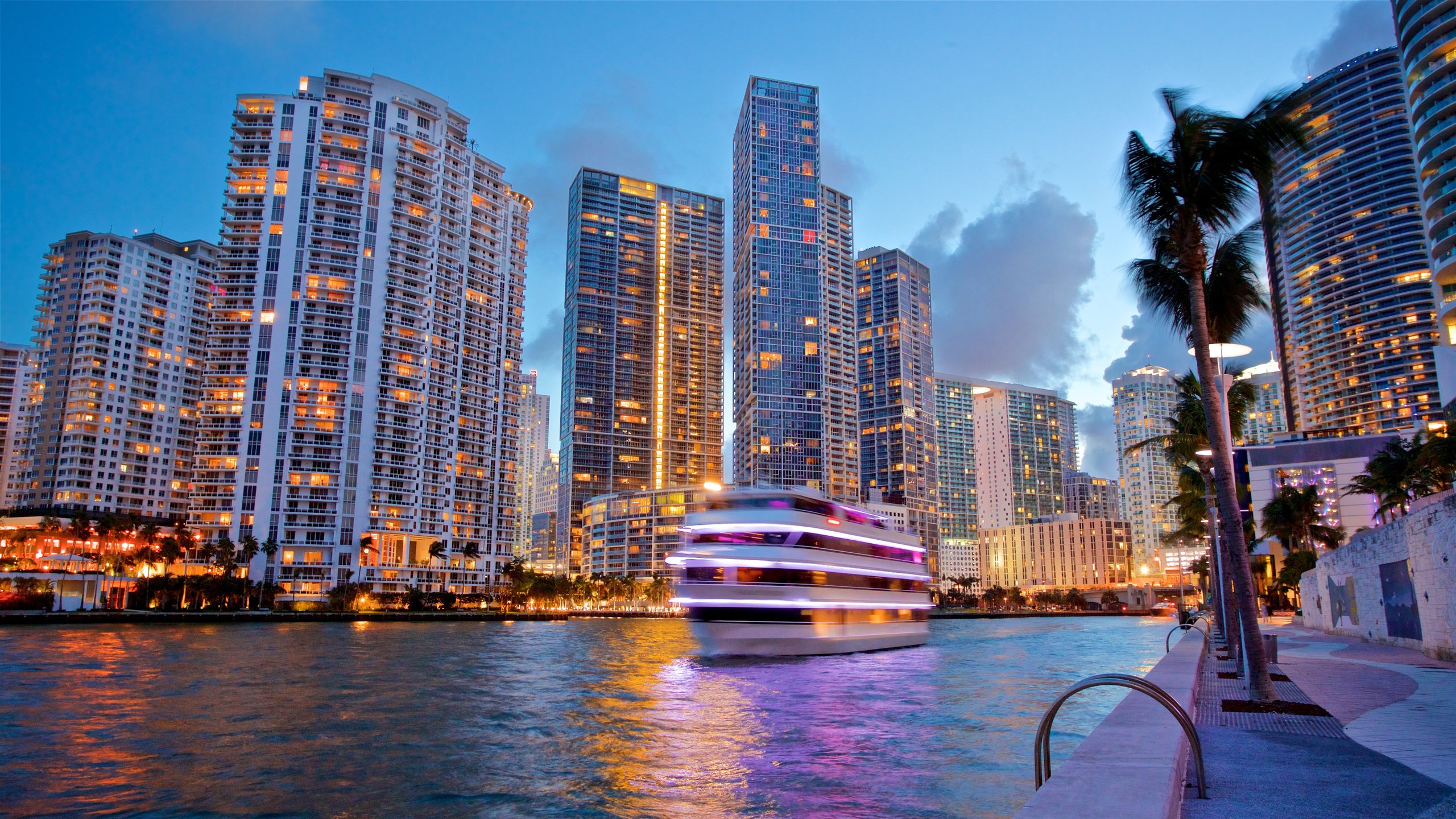
Miami FL vs Indiana. Choosing where to live is one of life’s biggest decisions, especially when comparing places as distinct as Miami, Florida and the state of Indiana.
Miami is a vibrant coastal city known for its sunny beaches and diverse culture, while Indiana offers Midwestern charm, affordable living, and quieter pace of life. Both have unique strengths—and drawbacks—that appeal to different types of people.
In this comprehensive comparison, we’ll explore the major differences, advantages, and downsides of living in Miami versus Indiana. Whether you’re considering relocation, planning a long-term stay, or simply curious about these regions, this guide will help you understand what makes each place special.
Geographical and Climate Differences
Miami: Tropical Urban Paradise
Miami is located on Florida’s southeastern coast, bordered by the Atlantic Ocean and Biscayne Bay. Its warm climate and sunny weather are defining features.
Miami’s climate is tropical monsoon, meaning:
- Hot, humid summers with frequent afternoon thunderstorms
- Mild, dry winters with abundant sunshine
- Little temperature variation throughout the year
This tropical climate draws beaches lovers, outdoor enthusiasts, and those who prefer warm weather year-round. However, it also comes with a hurricane season from June through November, which can bring extreme weather events.

Indiana: Four-Season Heartland
Indiana, located in the Midwest, experiences a continental climate with four distinct seasons. The state’s weather varies from cold, snowy winters to hot, humid summers.
In Indiana:
- Winters can be long, cold, and snowy
- Springs bring rain and blooming landscapes
- Summers are warm and humid
- Autumn offers colorful foliage and cooler temperatures
For those who love experiencing all four seasons, Indiana provides a classic seasonal cycle—something Miami lacks with its nearly constant warm weather.
Lifestyle and Culture
Miami: A Fast-paced, Diverse City
Miami’s lifestyle is energetic, multicultural, and globally influenced. Known as a cultural hub, it boasts:
- A thriving arts and entertainment scene
- A rich blend of Latin American, Caribbean, and international cultures
- World-class cuisine spanning countless traditions
- Nightlife from clubs to arts festivals
Miami is a city of movement—where music, fashion, food, and beach culture intersect. Residents often embrace outdoor living, water sports, and social experiences that reflect the city’s vibrant personality.
Indiana: Community-Focused and Laid-Back
Indiana’s culture is rooted in Midwestern values—an emphasis on community, simplicity, and practicality. Life in Indiana tends to be:
- Slower paced and less crowded
- Focused on small-town or suburban living
- Centered around community events, local sports, and family activities
While cities like Indianapolis have cultural attractions, overall, Indiana offers a more relaxed lifestyle compared to Miami’s nonstop atmosphere.
Cost of Living Comparison
Miami: Higher Costs and Coastal Premiums
Miami’s cost of living is notably higher than the national average. Key contributors include:
- Higher housing prices, especially near beaches and downtown
- Increased transportation costs
- Higher expenses for dining and entertainment
Because Miami is a desirable coastal city, housing costs and everyday living expenses reflect that demand. If you value ocean views and a vibrant city life, Miami offers plenty—but at a premium.
Indiana: Affordable Middle America
Indiana stands out for its lower cost of living, including:
- Affordable housing and property taxes
- Lower transportation and utility expenses
- Reasonably priced groceries and services
For many people, Indiana’s affordability is a significant advantage—especially for families, first-time homebuyers, and retirees looking to stretch their budget without sacrificing quality of life.
Job Market and Economic Opportunities
Miami: Diverse and Dynamic Economy
Miami’s economy is dynamic and globally connected, with strengths in:
- Tourism and hospitality
- International trade
- Finance and real estate
- Technology startups and creative industries
Because Miami is an international destination, job opportunities are often tied to global business, hospitality, and entrepreneurial sectors.
Indiana: Steady Growth and Manufacturing Roots
Indiana’s economy leans more toward:
- Manufacturing and aerospace
- Agriculture and logistics
- Healthcare and education
- Small business and service industries
While Indiana may not have Miami’s global business footprint, it offers stable job markets with steadily growing industries. Large companies and manufacturing plants provide employment opportunities, often with competitive wages in small-to-mid-sized cities.
Housing and Real Estate
Miami: Urban Living and Beachfront Options
Miami’s real estate market reflects the city’s popularity and desirable location. Key housing characteristics include:
- High demand for condos and luxury waterfront properties
- Competitive markets near downtown and beach areas
- Higher mortgage costs compared to national averages
For buyers seeking coastal living and urban amenities, Miami offers plenty—but at a cost. Renters, too, may face higher prices, especially in premium neighborhoods.
Indiana: Space, Affordability, and Variety
In Indiana, housing markets tend to be more affordable and spacious. Benefits include:
- Lower median home prices
- Larger lots and family-friendly neighborhoods
- Access to suburban and rural living options
Families and individuals seeking space and affordability often find Indiana appealing, especially for long-term homeownership.
Transportation and Commuting
Miami: City Transit and Traffic Challenges
Miami offers:
- Public transit options like Metrorail, Metrobus, and trolleys
- Ride-share services and bike-friendly areas
- Major airports like Miami International Airport
However, Miami is known for heavy traffic congestion, especially during peak hours. Commuting by car can often be slow, and many residents rely on their vehicles despite public transportation options.
Indiana: Car-Centric and Easy Commutes
Much of Indiana is car-oriented, with wide highways and accessible road networks. Benefits include:
- Less traffic congestion in suburban and rural areas
- Shorter commute times in many regions
- Ample parking and affordable vehicle expenses
Public transit exists in larger cities like Indianapolis, but many residents rely on personal vehicles for daily travel.
Education and Schools
Miami: Urban School Choices
Miami offers a wide range of educational options:
- Public school districts with diverse programs
- Magnet and specialized schools
- Private and charter school alternatives
- Colleges and universities like the University of Miami
Because Miami is a large metropolitan area, families have many choices—but school quality and competition can vary by neighborhood.
Indiana: Community-Focused School Systems
Indiana’s schools tend to align with community expectations:
- Strong public school systems in many areas
- Smaller class sizes in suburban and rural regions
- Colleges and universities like Indiana University and Purdue
Parents often appreciate Indiana’s community-centric schools and local involvement in education.
Recreation and Outdoor Activities
Miami: Beaches, Water Sports, and Urban Fun
Miami’s outdoor offerings are hard to beat for sun lovers:
- World-famous beaches like South Beach
- Water sports including surfing, paddleboarding, and boating
- Outdoor dining, rooftop bars, and cultural festivals
Miami is ideal for those who thrive in vibrant, outdoor environments with year-round warm weather.
Indiana: Parks, Trails, and Small-Town Charm
Indiana offers a different kind of outdoor appeal:
- State parks, lakes, and hiking trails
- Seasonal outdoor activities, from fishing in summer to sledding in winter
- Community events like county fairs and local festivals
While Indiana doesn’t offer tropical beaches, its outdoor spaces cater to people who enjoy varied seasonal activities.
Culture, Entertainment, and Nightlife
Miami: International Culture and Nightlife
Miami’s culture is cosmopolitan and electric:
- Diverse dining scene with global cuisine
- International arts events and music festivals
- Nightclubs, live music, and cultural districts
From Little Havana’s Cuban flavor to Wynwood’s art scene, Miami’s cultural diversity is a major draw for residents and visitors alike.
Indiana: Local Culture and Community Events
Indiana’s cultural scene thrives in hometown venues:
- Local theaters and performance spaces
- Minor league sports teams and local arts events
- Music festivals, farmers markets, and community celebrations
While Indiana may not rival Miami’s international nightlife, its charm lies in accessible, community-centered activities.
Healthcare and Quality of Life
Miami: Access to Specialty Care
As a large urban center, Miami offers:
- Major hospitals and specialized healthcare facilities
- Access to specialists in cardiology, oncology, and other fields
- Private and public healthcare options
Urban living means healthcare access is strong, though costs can be higher than in other regions.
Indiana: Community Health Centers and Accessible Care
Indiana provides solid healthcare options with benefits including:
- Affordable clinics and family care centers
- University-affiliated hospitals in cities
- Accessible healthcare outside major metros
For families and retirees seeking community-focused healthcare, Indiana delivers quality care at a lower cost of living.
Pros and Cons: Miami vs Indiana
Miami – Pros
- Sunny, tropical climate year-round
- Diverse, multicultural environment
- World-class dining, arts, and entertainment
- Strong global business and trade connections
- Abundant outdoor recreation
Miami – Cons
- High cost of living and housing
- Traffic congestion and long commutes
- Seasonal hurricane risks
- Urban noise and crowded neighborhoods
Indiana – Pros
- Affordable cost of living and housing
- Family-friendly communities
- Four distinct seasons
- Less traffic, more space
- Strong community culture
Indiana – Cons
- Cold winters and seasonal weather changes
- Limited nightlife and cultural offerings in some areas
- Smaller job markets in non-urban regions
- Car-dependent lifestyle in many towns
Who Should Choose Miami?
Miami is ideal for people who:
- Love warm weather and outdoor lifestyle
- Thrive in culturally diverse cities
- Work in international business, tourism, arts, or tech
- Want a vibrant nightlife and social scene
- Are comfortable with higher living costs
Who Should Choose Indiana?
Indiana is a great fit for people who:
- Prefer affordable living and spacious homes
- Enjoy seasonal weather and outdoor variety
- Value community and small-town charm
- Want lower cost of living for families or retirement
- Prefer quieter, less hectic daily life
Final Thoughts
Choosing between Miami, FL and Indiana ultimately depends on your priorities: weather, lifestyle, job opportunities, cost of living, and community preferences. Miami offers global flair, sunshine, and coastal energy—but at a higher cost. Indiana provides Midwestern affordability, seasonal variety, and community focus—but lacks big-city buzz.
Both places have something valuable to offer. Understanding their major differences helps you make an informed decision about where to live, work, and build the life you want.