
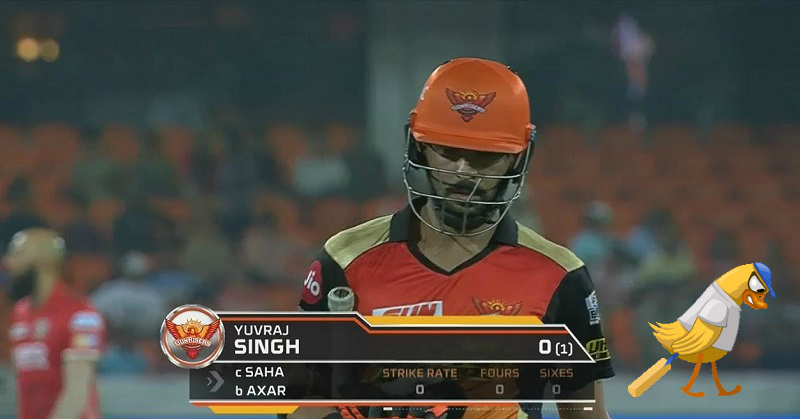
What Does Duck Mean in Cricket?. Cricket is a game steeped in history, rich in strategy, and filled with unique jargon that can sometimes bewilder newcomers. One such term that frequently comes up, especially during Test matches, is the term “duck.”
If you’re new to cricket, you may have heard it mentioned, particularly when a player is dismissed without scoring any runs. But what does “duck” truly mean in the context of cricket? In this article, we will explore What Does Duck Mean in Cricket A Deep Dive into Cricket Terms and help you understand the significance of this term in the game’s lexicon.
As you journey through the world of cricket, it’s important to unlock its lingo and learn its peculiarities. What Does Duck Mean in Cricket Unlocking Common Cricket Lingo will offer you a clearer picture of why the term is used, its historical origins, and how it fits into the broader context of cricketing terminology.
Whether you’re a die-hard cricket fan or just getting into the sport, this guide will ensure that you understand the meaning behind cricket’s most intriguing and occasionally unfortunate term: the duck.
What Does “Duck” Mean in Cricket?
In cricket, a “duck” refers to a situation where a batsman is dismissed without scoring any runs. In simple terms, a batsman is said to have “got a duck” when they are out on zero. It’s one of the more unfortunate outcomes for a player, as it signifies a complete lack of contribution with the bat.
However, this term isn’t as straightforward as it may seem. In cricket, different types of ducks exist, and each has a unique designation based on how the player was dismissed. Understanding these subtleties can help you dive deeper into What Does Duck Mean in Cricket The Meaning Behind Cricket Terms.
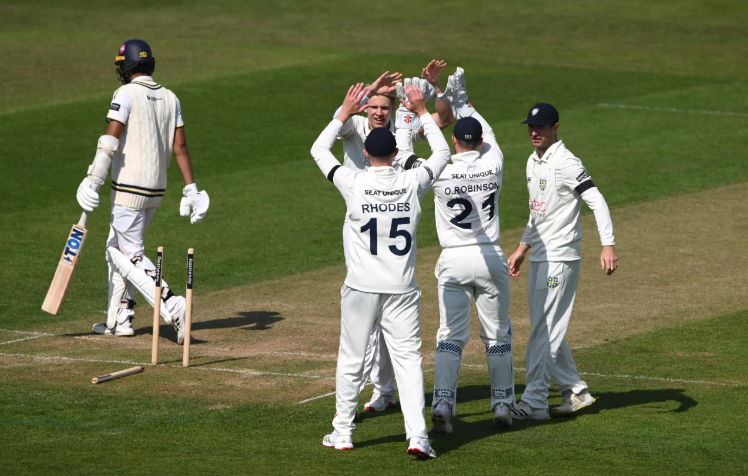
Common Types of Ducks
- Golden Duck: This is when a batsman is dismissed on the very first ball they face, scoring zero runs before being sent back to the pavilion. It’s considered one of the most disappointing outcomes, as the batsman doesn’t even have a chance to get off the mark.
- Silver Duck: A silver duck occurs when a batsman is dismissed on the second ball they face, again without scoring any runs. While not as infamous as the golden duck, it still represents a failure to score early in the innings.
- Bronze Duck: When a batsman gets out on the third ball without scoring, it’s called a bronze duck. This is the least commonly referred to type of duck, but it still signifies an unfortunate and unproductive start.
- Diamond Duck: One of the more dramatic forms of a duck, a diamond duck occurs when a batsman is dismissed without facing a single delivery, either due to being run out or hitting the stumps while attempting to take a run. It’s an exceptionally rare and unfortunate occurrence.
The Origins of the Term “Duck”
While the concept of a duck in cricket is straightforward, the origin of the term is steeped in history and folklore. The term is believed to have been introduced in the 19th century, though the precise origin is somewhat unclear. One common theory is that the word “duck” comes from the shape of the number “0” (zero), which is similar to the round shape of a duck’s egg. Over time, the term evolved, and players who were dismissed without scoring came to be referred to as “getting a duck.”
Another theory suggests that the term originated from the fact that a duck is a waterfowl that is often seen floating aimlessly, much like a batsman who is dismissed without making a contribution. Regardless of the origin, the term “duck” has become an integral part of cricketing terminology, with its different variations reflecting the various ways a batsman can be dismissed without scoring.
What Does Duck Mean in Cricket Demystifying Common Cricket Terms
The term “duck” is just one piece of the vast puzzle that is cricketing terminology. For a complete understanding of the game, it’s essential to familiarize yourself with other common cricket terms that are frequently used in commentary, match analysis, and everyday conversations among cricket fans. These terms can often be as enigmatic as “duck,” but once you become familiar with them, you’ll be able to appreciate the intricacies of the sport even more.
1. LBW (Leg Before Wicket)
LBW is one of the most common methods of dismissing a batsman. If the ball hits the batsman’s leg in line with the stumps and would have gone on to hit the stumps, the batsman can be given out LBW. This rule often sparks debate, as it’s subject to interpretation and can be influenced by factors such as ball trajectory and whether the batsman is in their “playing zone.”
2. Hat-Trick
A hat-trick occurs when a bowler takes three wickets in three consecutive deliveries. This is a rare and highly celebrated achievement in cricket, as it requires not only skill but also a certain amount of fortune. A bowler who takes a hat-trick is often lauded as one of the key players of the match, and the achievement is remembered long after the game has concluded.
3. Century
When a batsman scores 100 runs in a single innings, they are said to have scored a century. This is considered a major milestone in a batsman’s career and is often celebrated with great enthusiasm, both by the player and the fans. Scoring a century in Test cricket is particularly impressive, as it requires skill, patience, and concentration over a prolonged period.
4. No Ball
A no ball is an illegal delivery that the bowler delivers during an over. Common reasons for a no ball include overstepping the crease, bowling above the waist height, or bowling an underarm delivery (which is not allowed in modern cricket). When a no ball is bowled, the batting team is awarded one extra run, and the delivery is not counted as part of the over.
5. Silly Point
A silly point is a close fielding position on the offside, typically just behind the batsman. The fielder at silly point is stationed very close to the batsman and is at risk of being hit by the ball. The position is considered “silly” because it requires a great deal of reflex and bravery to stand in such close proximity to the batsman’s bat.
6. Powerplay
The powerplay refers to the initial overs in limited-overs formats like T20 and One-Day cricket when fielding restrictions are in place. During the powerplay, only a certain number of fielders are allowed outside the 30-yard circle. This rule is designed to encourage attacking play and higher run-scoring during the early stages of an innings.
7. Run Out
A run out occurs when a batsman attempts to take a run, but the fielder hits the stumps with the ball before the batsman reaches the crease. Run outs are often a result of quick decision-making, poor judgment, or a brilliant piece of fielding. It is one of the most exciting and dramatic forms of dismissal in cricket.
What Does Duck Mean in Cricket A Deep Dive into Cricket Terms
While the duck is a term that every cricket fan should know, it is only one of many terms that make the sport unique. Cricket is a game of skill, strategy, and quick thinking, and the terminology reflects this complexity. Beyond the basics of a duck, understanding the deeper meaning of various cricket terms will allow you to appreciate the game on a whole new level.
8. All-Rounder
An all-rounder is a player who excels both with the bat and the ball. All-rounders are considered vital players in any team, as they provide balance and flexibility. Famous all-rounders include players like Sir Ian Botham, Jacques Kallis, and Ben Stokes. The role of an all-rounder is often to contribute in both departments, offering the team extra depth.
9. Bouncer
A bouncer is a type of delivery bowled at the batsman’s head or upper body, with the intention of intimidating the batsman or forcing them into making a mistake. Bouncers are commonly used in fast-paced formats like T20s and One-Day Internationals but are also part of the arsenal of pace bowlers in longer formats like Test cricket.
10. Slog
A slog is an aggressive shot where the batsman attempts to hit the ball out of the park, often with a high risk of getting out. This shot is typically played in the later stages of an innings, particularly in limited-overs formats when the batsman needs to score quickly.
11. Maidens Over
A maiden over is an over in which the bowler does not concede any runs. This is a significant achievement, particularly in Test cricket, as it requires the bowler to maintain tight control over the batsman and limit their scoring opportunities.
Conclusion
Understanding cricket’s rich terminology is one of the best ways to deepen your appreciation for the game. What Does Duck Mean in Cricket Demystifying Common Cricket Terms helps clarify one of the most commonly used yet often misunderstood terms in cricket. Whether you’re a seasoned fan or just starting to explore the sport, mastering cricket’s language will allow you to follow matches with greater insight. From the different types of ducks to advanced terms like “hat-trick” and “slog,” this glossary will ensure you have the vocabulary needed to fully enjoy the beautiful complexities of cricket.