
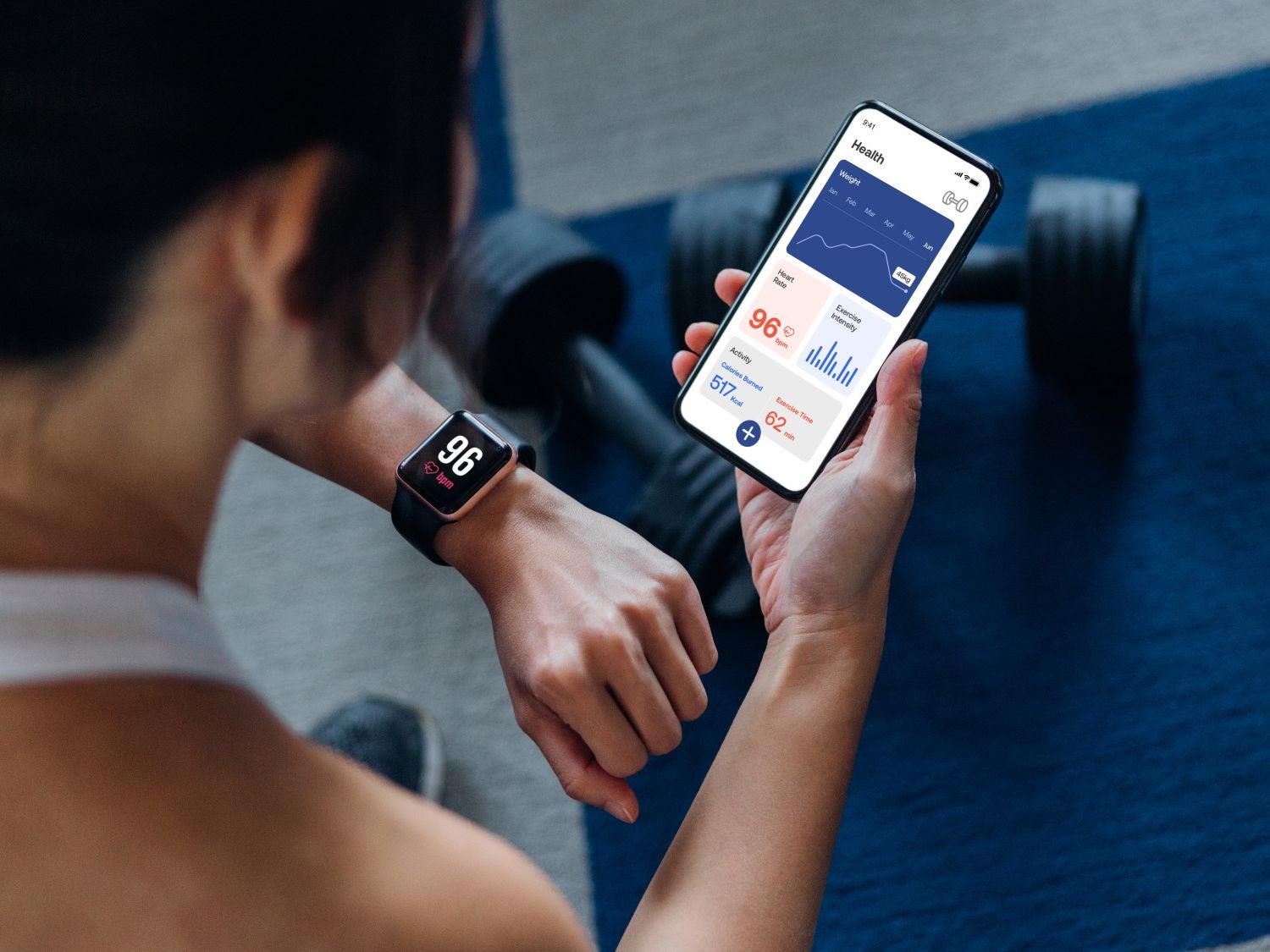
The Best Heart Health Apps of 2026. In 2026, your smartphone is no longer just a communication device; it is a sophisticated medical hub. As cardiovascular health becomes a primary focus for aging populations and fitness enthusiasts alike, the app market has exploded with “clinical-grade” tools.
From detecting silent arrhythmias with an ECG to analyzing the subtle impact of psychological stress on your heart rhythm, the technology available today is unprecedented.
This comprehensive guide reviews the best heart health apps of 2026, categorized by their primary function to help you build a personalized digital health toolkit.
1. Best for ECG and Arrhythmia Detection
In the past, an Electrocardiogram (ECG) required a visit to a clinic and sticky electrodes. Today, mobile apps paired with sensors provide high-fidelity readings in seconds.
Kardia (by AliveCor)
Kardia remains the gold standard for portable ECG technology in 2026. While the app can be used manually to log data, it shines when paired with their KardiaMobile devices.
- Key Features: It is FDA-cleared to detect Atrial Fibrillation (AFib), Bradycardia, and Tachycardia. The 2026 update includes “Kardia 12L” technology, which allows for a derived 12-lead ECG—providing a level of detail previously reserved for hospitals.
- Why it’s a Top Pick: It generates a medical-grade PDF that you can instantly email to your cardiologist.
Apple Health & ECG App
For iPhone users, the native ECG app is a powerful, integrated solution.
- Key Features: By holding your finger on the Digital Crown of a compatible Apple Watch (Series 9, 10, or the 2026 “Series 11”), the app records the electrical pulses of your heart. It categorizes the rhythm as Sinus, AFib, or Inconclusive.
- Update for 2026: The new “Rhythm History” feature provides a long-term burden analysis, showing what percentage of the time your heart shows signs of AFib.
2. Best for Stress and HRV Analysis
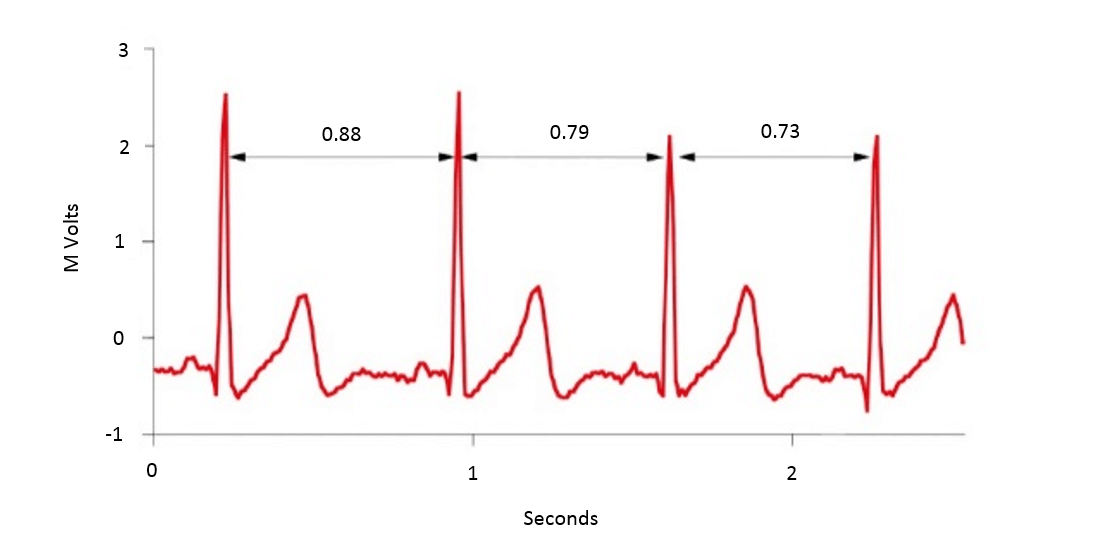
Heart Rate Variability (HRV)—the tiny fluctuations in time between heartbeats—is the ultimate metric for measuring stress and recovery.
Welltory: Heart Rate & Stress
Welltory has become the leading AI-driven health platform in 2026. It doesn’t just give you numbers; it tells you what they mean for your day.
- Key Features: It uses the smartphone camera (via photoplethysmography) or wearable data to measure HRV. It then provides “Energy” and “Stress” scores.
- AI Integration: The 2026 version features an AI health coach that correlates your stress levels with your sleep, weather, and even your calendar events to predict when you are at risk of burnout.
Fitbit (Stress Management Tools)
Fitbit’s app continues to lead in the “Body Response” category.
- Key Features: When paired with the Fitbit Sense 2 or the latest 2026 trackers, the app logs cEDA (continuous electrodermal activity). It detects small bursts of sweat linked to stress and prompts you to log your mood, creating a “Stress Management Score.”
- Why it’s a Top Pick: It bridges the gap between physical heart activity and emotional well-being.
3. Best for Post-Surgery and Chronic Care
For those managing conditions like heart failure or recovering from surgery, specialized “remote monitoring” apps are essential.
myHeart (by My MHealth)
This award-winning app is a favorite for digital cardiac rehabilitation in 2026.
- Key Features: It offers a structured “Walking Program” and educational courses tailored to your specific condition (e.g., Valve Repair, Angina, or Post-Heart Attack).
- Clinician Integration: Your doctor can view your activity diary, medication adherence, and symptom reports in real-time, allowing for “tele-rehab” from home.
Medisafe
While primarily a medication tracker, Medisafe is vital for heart patients who often have complex “pill cocktails” like beta-blockers, statins, and blood thinners.
- Key Features: It provides drug-interaction warnings and family alerts if a dose is missed. In 2026, it integrates with Apple Health and Google Fit to show how your vitals change after taking specific medications.
4. Best for General Fitness and Risk Assessment
If you are healthy and want to stay that way, these apps focus on prevention and cardiovascular endurance.
Cardiio: Heart Rate Monitor
Developed by specialists from MIT and Harvard, Cardiio uses the camera to scan your face or finger to detect your pulse.
- Key Features: It provides a “Cardio Fitness Rating” based on your resting heart rate and benchmarks it against your age and gender. It also includes “7-Minute Workout” circuits designed to maximize heart health.
ASCVD Risk Estimator Plus
Published by the American College of Cardiology, this app is for those who want to look at the “big picture.”
- Key Features: By inputting your age, cholesterol levels, and blood pressure, the app calculates your 10-year risk of a heart attack or stroke. It provides personalized “What If” scenarios—showing, for example, how much your risk would drop if you started a statin or quit smoking.
5. How to Choose the Right App
With so many options, selection can be overwhelming. Consider these factors:
- Device Compatibility: Does the app require a specific watch or cuff?
- Medical Certification: Look for “FDA-cleared” or “CE-marked” if you are using it for diagnostic purposes.
- Data Privacy: Ensure the app uses encrypted cloud storage, as heart data is highly sensitive.
- Subscription Costs: Many apps are free but hide the best AI insights behind a “Premium” paywall.
Conclusion
The “Best” app depends on your goal. If you need a doctor-approved ECG, Kardia is the leader. For those wanting to manage daily stress and “listen” to their nervous system, Welltory is unmatched. For fitness enthusiasts, Cardiio offers the best entry-level metrics.
By leveraging these tools in 2026, you aren’t just tracking data; you are taking active command of your heart’s future. The data you collect today could be the insight that saves your life tomorrow.