
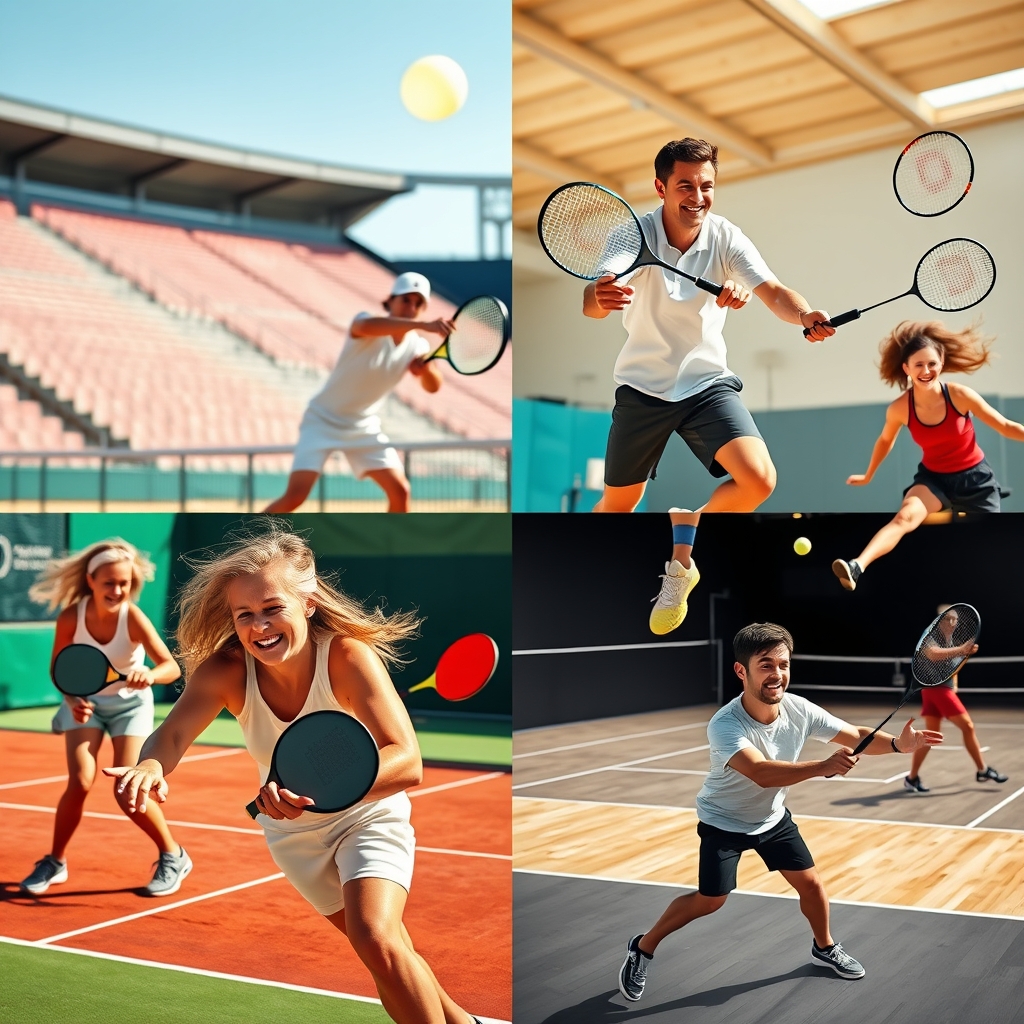
Racket sports have surged in popularity, offering dynamic ways to stay active, socialize, and compete. Among the most beloved are tennis, pickleball, badminton, and squash—each with unique rules, equipment, and communities. In 2024, these sports are not just recreational pastimes but cultural phenomena, driven by accessibility, health benefits, and competitive excitement. Whether you’re a seasoned athlete or a curious beginner, understanding the nuances of each can help you choose the perfect game to match your lifestyle and fitness goals.
Why Are Racket Sports Gaining Unprecedented Popularity?
Racket sports have seen a remarkable rise in participation over the past decade, with pickleball leading the charge. According to recent data, pickleball participation in the U.S. grew by over 150% between 2020 and 2023, making it the fastest-growing sport in the country. Tennis, with its rich history and global appeal, remains a staple, boasting over 22 million players in the U.S. alone. Badminton and squash, while niche, have also carved out dedicated followings, particularly in urban areas and college campuses.
Furthermore, the COVID-19 pandemic played a pivotal role in this growth. With gyms closed and outdoor activities limited, people turned to racket sports as a safe, socially distanced way to exercise. The low barrier to entry—minimal equipment and adaptable court sizes—made them ideal for beginners. Additionally, the rise of mixed-age leagues and family-friendly formats has broadened their appeal, attracting players from all walks of life.
What Makes Each Sport Unique?
While tennis, pickleball, badminton, and squash share similarities, their differences set them apart. Tennis, played on a large court with a net, is known for its endurance demands and strategic depth. A standard match can last hours, requiring agility, power, and precision. Pickleball, on the other hand, is played on a smaller court with a lower net, using a plastic ball and solid paddles. Its slower pace and shorter rallies make it accessible to older adults and beginners, yet it retains a competitive edge in tournaments.
Badminton, often played indoors, is the fastest racket sport in the world, with shuttlecocks reaching speeds of over 200 mph. It emphasizes reflexes, speed, and finesse, making it a favorite in Asian countries and among fitness enthusiasts. Squash, played in a four-walled court, is a high-intensity workout that combines strategy and endurance. A single game can burn up to 700 calories, appealing to those seeking a rigorous, full-body exercise.
Which Sport Is Right for You?
Choosing the right racket sport depends on your fitness level, goals, and preferences. If you enjoy long, strategic matches and have the stamina for extended play, tennis might be your ideal fit. Its global infrastructure, from local clubs to Grand Slam tournaments, offers ample opportunities for growth and competition. However, if you prefer a faster-paced, social game with a gentler learning curve, pickleball’s inclusive community and shorter matches could be perfect.
For those who thrive on speed and agility, badminton delivers an unmatched adrenaline rush. Its indoor setting makes it a year-round option, ideal for players in colder climates. Meanwhile, squash enthusiasts often cite its intensity and efficiency—games are short but demanding, making it a favorite among busy professionals. In addition, the smaller court size means you can find facilities in most urban areas, reducing travel time.
How Do Costs Compare Across These Sports?
Affordability is a key factor when selecting a racket sport. Pickleball stands out as the most budget-friendly option, with starter paddles available for as little as $30 and court fees often minimal or nonexistent. Many public parks now feature free pickleball courts, further lowering the barrier to entry. Tennis, while more expensive, offers a range of options—beginner rackets start at $50, but high-end models can exceed $200. Court rental fees vary, with public courts often free and private clubs charging $20–$50 per hour.
Badminton and squash tend to be pricier due to their indoor requirements. A quality badminton racket costs between $50 and $150, while shuttlecocks add ongoing expenses. Squash rackets range from $80 to $200, and court rentals typically run $15–$40 per hour. However, many players find the investment worthwhile for the sport’s unique benefits and community.
What Does the Future Hold for Racket Sports?
The future of racket sports looks brighter than ever, with innovations and inclusivity driving growth. Pickleball’s meteoric rise shows no signs of slowing, with projections suggesting it could surpass tennis in participation by 2025. Tennis, meanwhile, continues to evolve with technology, from smart rackets that track performance to AI-powered coaching apps. Badminton and squash are also adapting, with urban pop-up courts and mixed-gender leagues expanding their reach.
Moreover, the health benefits of these sports are undeniable. Regular play improves cardiovascular health, hand-eye coordination, and mental sharpness. For older adults, racket sports like pickleball and badminton offer low-impact ways to stay active, while younger players gravitate toward the intensity of squash and tennis. As communities embrace these games, they foster connections, reduce stress, and promote lifelong fitness.
FAQ: Your Top Questions Answered
Which Racket Sport Is Easiest for Beginners?
Pickleball is widely regarded as the easiest racket sport for beginners. Its smaller court, slower ball speed, and simpler rules make it accessible to all ages and skill levels. Many players master the basics within their first few sessions, making it a great entry point into racket sports.
How Do Injury Risks Compare Across Tennis, Pickleball, Badminton, and Squash?
Injury risks vary by sport. Tennis and squash carry higher risks of joint stress, particularly in the knees and shoulders, due to their high-impact nature. Pickleball and badminton are gentler on the body, with lower injury rates, but still require proper warm-ups to prevent strains. Wearing supportive footwear and using correct technique can mitigate risks in any sport.
Can You Play These Sports Year-Round?
Yes, but availability depends on location and facilities. Tennis and pickleball can be played outdoors year-round in warmer climates, while colder regions may limit play to indoor courts or seasonal months. Badminton and squash are primarily indoor sports, making them ideal for year-round play regardless of weather.
Whether you’re drawn to the elegance of tennis, the social energy of pickleball, the speed of badminton, or the intensity of squash, there’s a racket sport for everyone. As participation continues to soar, these games are redefining fitness, community, and competition in 2024 and beyond.