

Divinity Game Series. The Divinity game series stands as a monumental pillar in the realm of role-playing games, a tapestry woven from intricate lore, elaborate class systems, and strategic combat mechanics. Since its inception, the series has enthralled players with sprawling narratives, moral ambiguity, and gameplay that rewards both creativity and tactical precision.
Understanding the complexities of the Divinity universe requires a comprehensive exploration of its history, its myriad classes, and the optimal strategies that maximize character potential.
This guide delves deeply into Master Divinity Game Series Explained Lore Classes and Best Builds, offering an exhaustive resource for both newcomers and veteran adventurers seeking to master the series.
Origins and Lore of the Divinity Universe
The Divinity series unfolds across a vast, fantastical universe shaped by gods, mortals, and magic. Its narrative complexity is one of the series’ defining traits. Players traverse a world scarred by divine conflict, political machinations, and the consequences of unchecked ambition.
At the heart of the lore lies the struggle between human ambition and celestial interference. The titular “Divinity” refers not just to deities, but to the potential within mortals to wield immense power. From the fall of Arx to the rise of Rivellon, the series charts a trajectory of conflict where choices carry profound consequences.
Divinity Game Series Explained Lore Classes and Best Builds Tips emphasizes the importance of understanding lore. Knowledge of factions, divine hierarchies, and historical events informs gameplay, influencing both narrative decisions and combat strategies.
Key Story Arcs
- Divine Intervention and the Source Wars: Central to the series, this conflict revolves around the control of Source, a mystical energy that fuels magic. Players often navigate its corruption and harness its power.
- Political Intrigue and Factional Struggles: Kingdoms, guilds, and rogue elements vie for influence. Aligning with or opposing these factions can drastically alter outcomes.
- Character-Driven Journeys: Each protagonist carries a unique backstory, affecting dialogue, quests, and the potential for alliances or betrayals.
Understanding these arcs is crucial for mastering Ultimate Divinity Game Series Explained Lore Classes and Best Builds, as strategic alignment with story elements can unlock exclusive abilities, rare equipment, and narrative advantages.
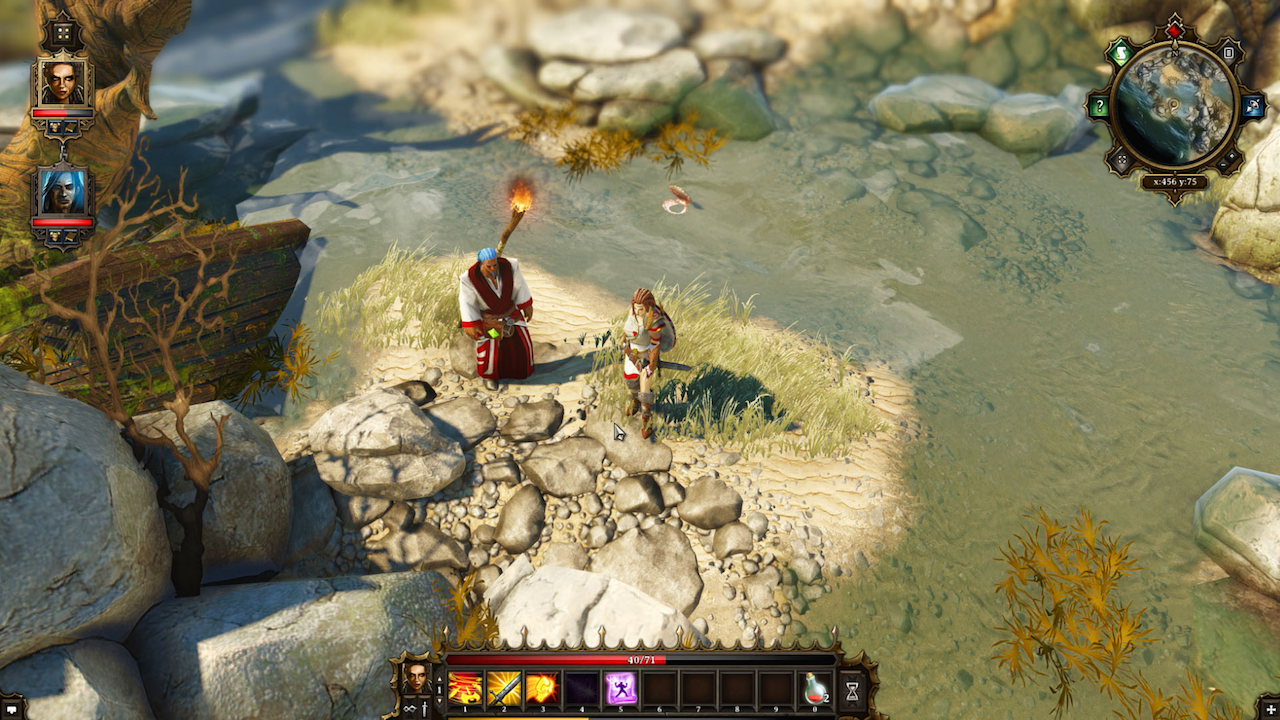
Classes and Archetypes
The Divinity series offers an expansive array of classes, each tailored to distinct playstyles. From mystical spellcasters to brute warriors, the diversity ensures replayability and tactical depth.
Core Class Categories
- Warriors: Masters of melee combat, warriors excel in tanking damage, crowd control, and delivering devastating blows. Subclasses include Knights, Barbarians, and Templars.
- Rogues: Specialists in stealth, mobility, and critical strikes, rogues manipulate battlefield positioning and exploit enemy vulnerabilities. Subclasses include Assassins, Rangers, and Shadow Dancers.
- Mages: Commanders of elemental and mystical energies, mages control large areas of the battlefield and provide utility through healing or buffs. Subclasses include Pyromancers, Hydrosophists, and Necromancers.
- Hybrid Classes: Certain characters blend skills across archetypes, creating versatile builds capable of adapting to diverse combat scenarios.
Divinity Game Series Explained Lore Classes and Best Builds Secrets highlights the synergy between class choice and narrative engagement. Some quests, dialogue options, or hidden interactions are contingent upon class-specific abilities.
Warrior Builds
Warriors thrive in direct confrontation, wielding heavy weapons and absorbing damage. Optimal builds focus on maximizing strength, vitality, and defensive skills.
- Tank Warrior: Prioritize high armor, shield skills, and crowd-control abilities. Ideal for drawing enemy attention and protecting allies.
- Berserker: Specialize in damage output, with dual-wielding and critical-hit enhancements. Sacrifices defense for overwhelming offensive capability.
- Paladin: Hybrid build combining melee prowess with healing and buff spells, offering both resilience and support.
Proper skill allocation ensures that a warrior build can dominate in both solo and cooperative play.
Rogue Builds
Rogues emphasize mobility, precision, and strategic positioning. Their effectiveness relies on critical strikes, evasion, and battlefield manipulation.
- Assassin Build: Maximize critical damage, stealth skills, and backstab multipliers. Optimal for eliminating high-priority targets swiftly.
- Ranger/Archer Build: Focus on ranged attacks, traps, and elemental arrows. Effective for controlling enemy movement and exploiting terrain advantages.
- Shadow Dancer: Blend agility and magic-based stealth, allowing for unpredictable movement and crowd disruption.
Rogue strategies often require meticulous attention to enemy patterns and terrain, highlighting Master Divinity Game Series Explained Lore Classes and Best Builds as a resource for tactical planning.
Mage Builds
Mages manipulate elemental forces to dominate battles. Their versatility comes from combining destructive spells with supportive utility.
- Pyromancer: Specializes in fire-based attacks, dealing area-of-effect damage and causing environmental hazards.
- Hydrosophist: Mastery over water and ice spells, providing both healing and crowd-control capabilities.
- Necromancer: Utilizes death magic to drain life, summon minions, and manipulate enemy vulnerabilities.
- Battle Mage Hybrid: Combines melee and magical abilities, allowing adaptability across multiple encounter types.
Strategic deployment of spells, positioning, and resource management makes mage builds extremely potent in late-game scenarios.
Skills and Abilities Optimization
Each class offers a plethora of skills. Selecting the optimal combination enhances effectiveness dramatically.
- Elemental Combinations: Mages can chain fire, water, and air effects for compounded damage and environmental interaction.
- Critical Hit Synergies: Rogues benefit from combining stealth with high-damage attacks to maximize output.
- Tank Enhancements: Warriors leverage shields and taunts to control battlefield dynamics while mitigating damage.
Divinity Game Series Explained Lore Classes and Best Builds Tips stresses experimentation. Certain skill combinations unlock hidden interactions, elemental chain reactions, or status effects that are not immediately obvious.
Equipment and Gear Considerations
Equipment selection is paramount. Weapons, armor, and accessories directly influence the efficacy of builds.
- Warriors: Heavy armor, swords, axes, and shields are essential. Enhancements that increase vitality, armor, or damage reflection are highly recommended.
- Rogues: Light armor prioritizing agility, bows, daggers, and items that boost critical damage or stealth are optimal.
- Mages: Staffs, robes, and accessories that augment intelligence, elemental mastery, or mana regeneration are crucial.
Rare or legendary items often carry unique effects, synergizing with specific builds and amplifying tactical advantages.
Multiplayer and Cooperative Strategies
The Divinity series excels in cooperative play, allowing players to combine classes and tactics. Team composition is critical:
- Tank + Mage + Rogue: Balanced approach ensuring durability, area control, and precision strikes.
- Dual Mage + Ranger: Maximizes elemental damage and battlefield manipulation.
- All-Rogue Team: High mobility and critical strikes, requiring careful coordination.
Understanding cooperative synergies is vital for optimizing Ultimate Divinity Game Series Explained Lore Classes and Best Builds, particularly for challenging encounters or late-game content.
Environmental Interactions
A defining feature of the Divinity series is environmental interactivity. Spells and abilities can manipulate terrain, create hazards, or exploit enemy vulnerabilities.
- Combustible Materials: Fire spells can ignite oil pools for massive area damage.
- Electrical Chains: Water-based spells can conduct electricity, stunning multiple enemies.
- Physical Obstacles: Movable objects or traps enhance rogue tactical options.
Leveraging these interactions elevates gameplay from straightforward combat to strategic artistry, making knowledge of Divinity Game Series Explained Lore Classes and Best Builds Secrets indispensable.
Advanced Build Optimization
Late-game and high-difficulty scenarios demand meticulous planning. Players must balance skill point allocation, attribute distribution, and item synergy.
- Hybrid Flexibility: Combining complementary skills across classes creates unpredictable and highly effective strategies.
- Environmental Mastery: Anticipating enemy weaknesses and terrain opportunities amplifies effectiveness.
- Resource Management: Balancing mana, stamina, and cooldowns is critical for prolonged encounters.
These advanced strategies highlight the depth and replayability of the series, encouraging experimentation and creative problem-solving.
Narrative Impact on Gameplay
Decisions extend beyond combat. Dialogue choices, faction alignment, and quest outcomes influence both story and gameplay. Certain abilities or interactions are class-specific, while others require strategic moral choices.
For instance, mages may access forbidden rituals, rogues might unlock secret passages, and warriors can intimidate or inspire factions. Awareness of these implications is essential to mastering Master Divinity Game Series Explained Lore Classes and Best Builds.
Secret Tips and Hidden Mechanics
The series conceals numerous hidden features that reward exploration and ingenuity:
- Hidden Quests: Certain builds unlock access to secret quests or rare items.
- Elemental Synergies: Combining unusual spell interactions can yield devastating effects.
- NPC Reactions: Some characters respond differently depending on class or ability selection, altering narrative flow.
Recognizing these subtleties ensures players capitalize on Divinity Game Series Explained Lore Classes and Best Builds Secrets, achieving maximum efficiency and narrative richness.
Replayability and Long-Term Engagement
The Divinity series thrives on replayability. Each class, build, and narrative choice creates a unique experience. Exploring alternative paths and experimenting with hybrid strategies ensures continued engagement.
- Multiple Endings: Player decisions directly affect story resolution and world state.
- Alternate Builds: Revisiting the game with different class combinations reveals new strategies and interactions.
- Achievements and Collectibles: Certain builds or quest decisions unlock rare content.
This replayability emphasizes Divinity Game Series Explained Lore Classes and Best Builds Tips as a lifelong resource for enthusiasts seeking to fully explore the universe.
Conclusion: Mastering the Divinity Series
The Divinity game series is a masterclass in narrative depth, tactical complexity, and player agency. Understanding Ultimate Divinity Game Series Explained Lore Classes and Best Builds requires comprehensive knowledge of lore, class mechanics, and strategic optimization. Each decision—from skill allocation to faction alignment—carries weight, shaping both combat effectiveness and narrative outcomes.
Whether focusing on brute force, stealth, or magical supremacy, players can craft builds tailored to personal style while exploiting the series’ rich systems. Leveraging hidden mechanics, environmental synergies, and advanced cooperative tactics transforms gameplay from mere combat into strategic artistry.
The series rewards diligence, creativity, and experimentation. By internalizing Divinity Game Series Explained Lore Classes and Best Builds Secrets, players gain the tools to navigate Rivellon’s challenges with precision and flair, ensuring that every adventure is as impactful as it is immersive.
Master Divinity Game Series Explained Lore Classes and Best Builds is not merely a guide—it is a map to mastering one of the most intricate and rewarding role-playing experiences ever created. Every choice matters, every spell counts, and every build carries the potential for greatness.